
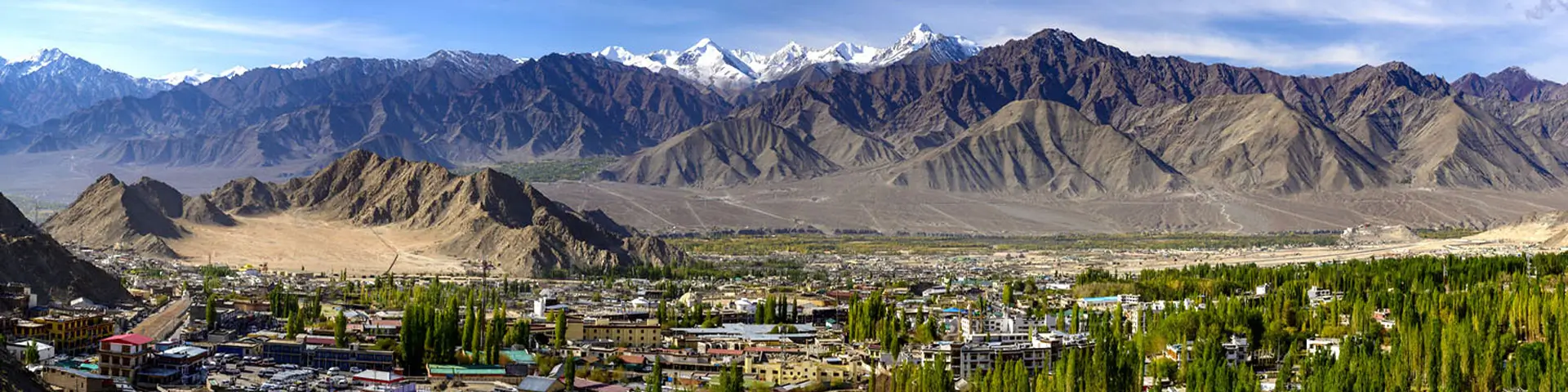
Kargil, located in the northern part of the Union Territory of Ladakh, is a town of strategic, historic, and natural significance. Nestled along the banks of the Suru River and surrounded by towering Himalayan peaks, Kargil offers a blend of breathtaking landscapes, rich history, and Tibetan-Buddhist culture, making it a unique stop for travelers exploring the Ladakh region.
Destination Overview
Situated approximately 204 km from Leh, Kargil serves as a key midpoint on the Leh–Srinagar Highway, connecting the Suru Valley and Drass regions. Known for its stark natural beauty and historical relevance during the Kargil War of 1999, the town offers both scenic and cultural insights to visitors.
Landscape & Natural Beauty
Kargil’s terrain offers a serene yet awe-inspiring high-altitude experience.
Cultural & Spiritual Heritage
Kargil’s population is predominantly Shia Muslim, with Tibetan Buddhist influence in surrounding valleys. The town provides insight into Ladakh’s diverse culture and traditions. Local monasteries, shrines, and villages preserve centuries-old practices and architecture.
Notable Sites Nearby:
Experiences & Activities
Luxury & Boutique Stays
While Kargil is more off-the-beaten-path compared to Leh or Nubra, it offers comfortable boutique lodges and river-view guesthouses for travelers seeking privacy and authentic experiences. Luxury options focus on:
Cuisine & Local Life
Kargil’s cuisine reflects its unique mix of Shia Muslim and Tibetan-Buddhist influences, with dishes such as paba, thukpa, and local bread. Travelers can enjoy traditional meals at local guesthouses or curated dining in boutique lodges.
Responsible & Sustainable Tourism
Best Time to Visit
Accessibility
Conclusion
Kargil is a land of contrasts—combining rugged Himalayan beauty, cultural diversity, and historical significance. It offers a quieter, off-the-beaten-path experience for travelers exploring Ladakh’s scenic and spiritual landscapes, making it ideal for those seeking solitude, authentic local life, and dramatic vistas.
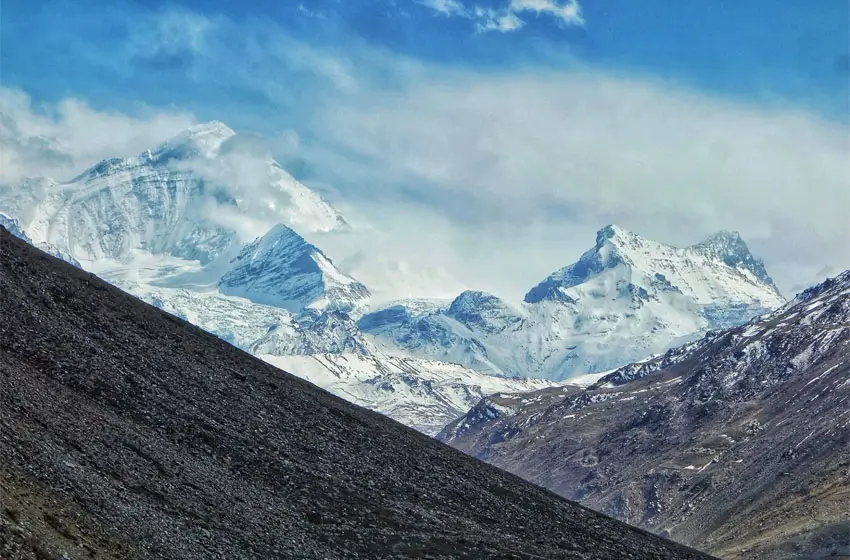
The Leh-Ladakh region is famous for its spectacular high-altitude mountain passes, which are not just transit routes but iconic landscapes offering breathtaking vistas, adrenaline-filled drives, and access to some of the region’s most scenic valleys and lakes. These passes are central to the adventure, culture, and luxury travel experience in...
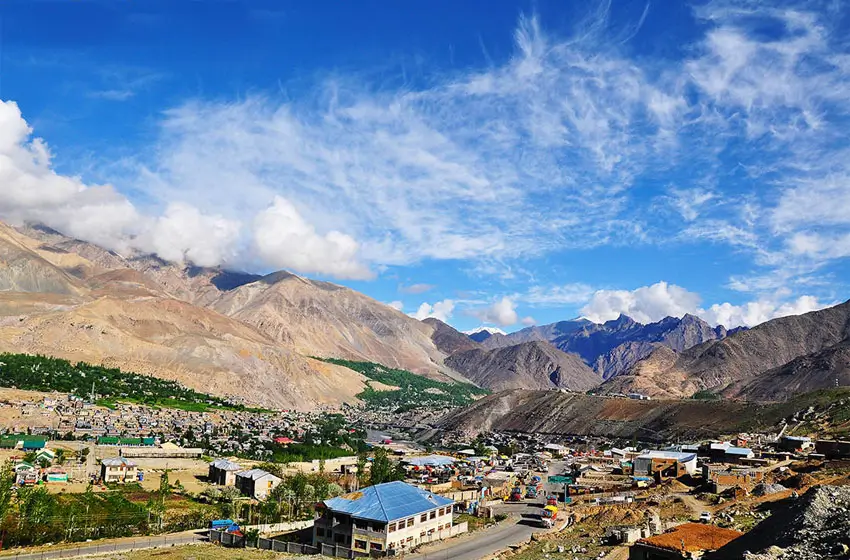
Kargil, located in the northern part of the Union Territory of Ladakh, is a town of strategic, historic, and natural significance. Nestled along the banks of the Suru River and surrounded by towering Himalayan peaks, Kargil offers a blend of breathtaking landscapes, rich history, and Tibetan-Buddhist culture, making it a...
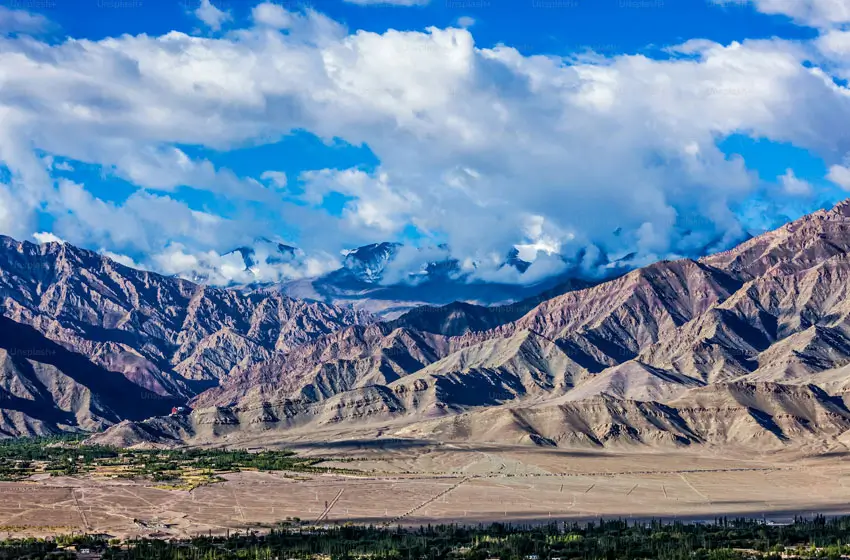
Nestled in the far reaches of the Indian Himalayas, Leh and Ladakh form one of the world’s most dramatic and spiritually evocative landscapes. Often described as “The Land of High Passes,” Ladakh is a realm of stark beauty—where snow-capped peaks, high-altitude deserts, turquoise lakes, and ancient monasteries create an experience...
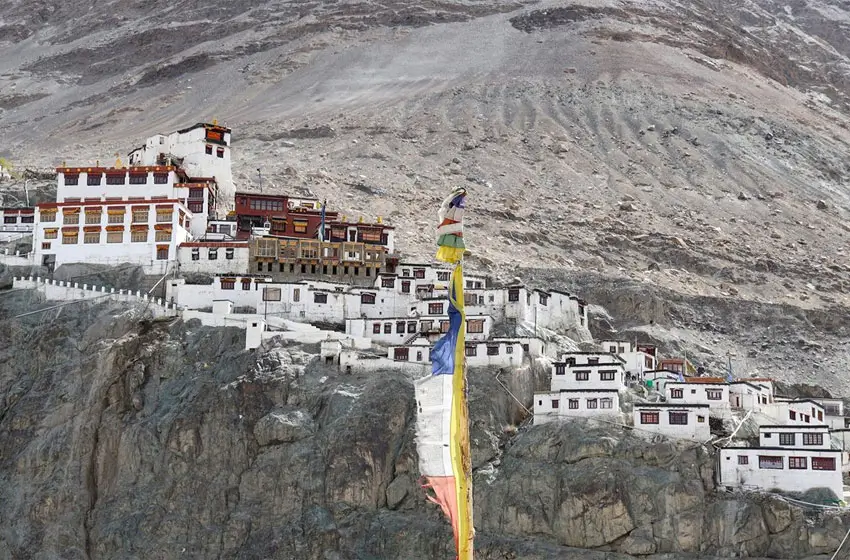
Ladakh, often referred to as the “Land of High Passes”, is equally renowned for its ancient Buddhist monasteries (gompas) that crown mountain ridges, overlook valleys, and embody centuries of spiritual tradition. These monasteries are not only centers of worship but also cultural hubs, preserving art, architecture, and monastic life. For...
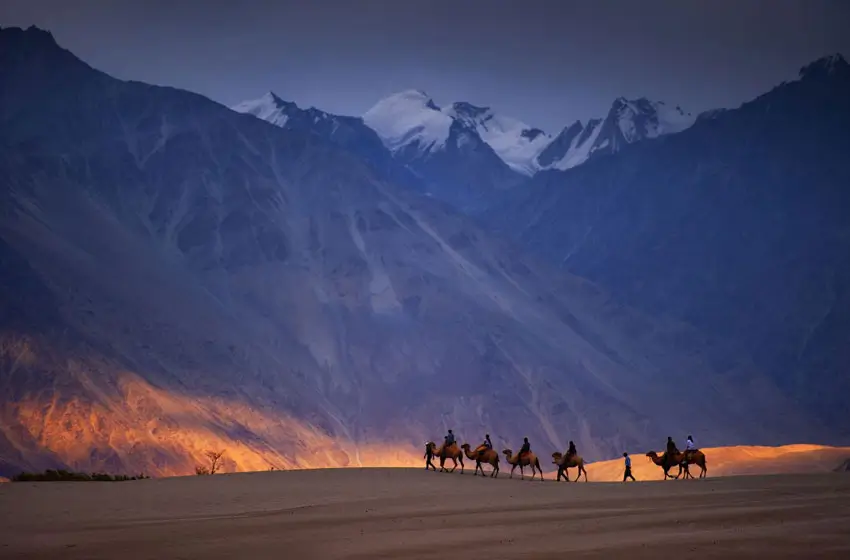
Nestled between the Karakoram and Ladakh mountain ranges, Nubra Valley is one of Ladakh’s most captivating regions—where stark desert landscapes meet lush river valleys, ancient monasteries, and living Silk Route heritage. Often described as the “Valley of Flowers of Ladakh,” Nubra offers a rare blend of natural beauty, culture, and soft...
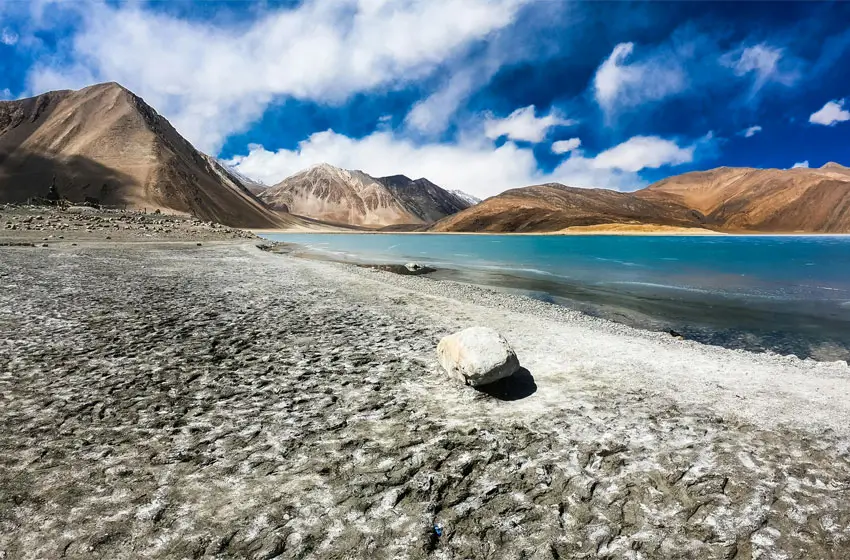
Pangong Lake (Pangong Tso) is one of the most breathtaking natural wonders of Ladakh, renowned for its crystal-clear blue waters, dramatic mountain backdrop, and ever-changing shades of color. Situated at an altitude of approximately 4,350 meters (14,270 ft), this high-altitude saltwater lake stretches across India and Tibet, offering a surreal...
Looking for help?


